Description
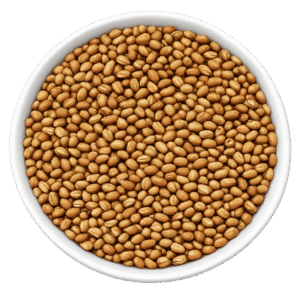
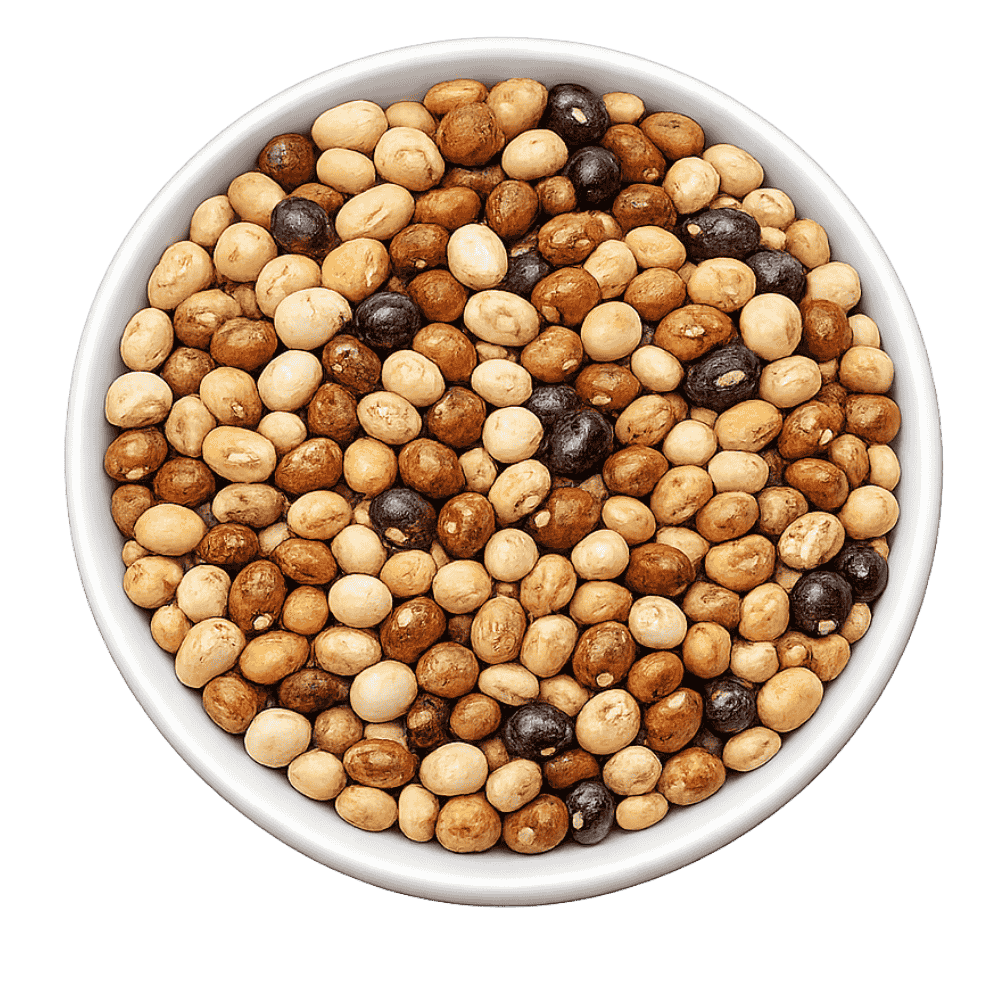
BAMBARA BEANS – Premium Export Quality Pulses
It high-quality, naturally grown legumes valued for their rich nutritional profile and natural taste. Known for their protein content, firm texture, and versatility, our it are carefully processed to meet international export standards. Ideal for household cooking, specialty food products, and food processing industries, they are available in consistent quality and hygienic packaging suitable for bulk and export supply.
Cultivated in well-managed agricultural environments, these beans thrive in diverse climatic conditions. Careful farming practices ensure healthy crop development and stable yield quality. Once harvested, the produce undergoes structured cleaning and grading procedures to meet export standards. Advanced processing systems remove dust, immature grains, and foreign materials, resulting in uniform and high-grade output suitable for international shipment.
From a nutritional perspective, bambara beans are valued for their impressive plant-based protein content, dietary fiber, and essential minerals. They contribute to energy balance and muscle support while promoting digestive health. Their naturally balanced nutrient profile makes them suitable for vegetarian and health-focused diets. As global consumers increasingly seek sustainable protein alternatives, these beans continue to gain demand across multiple regions.
In culinary use, they are highly versatile and adaptable to different cuisines. They can be used in soups, stews, porridges, flours, and snack preparations. Their firm texture after cooking makes them ideal for traditional dishes and commercial food production. Food manufacturers appreciate their consistent cooking time and stable quality during processing.
Export-quality management plays a critical role in maintaining buyer confidence. Each lot is inspected for grain size uniformity, moisture control, and cleanliness. Moisture levels are carefully monitored to extend shelf life and protect the product during long transit periods. Strict quality control procedures ensure that shipments meet international trade specifications and reduce the risk of rejection.
Packaging solutions are designed to maintain hygiene and durability during transportation. Food-grade materials are used for bulk packing and containerized shipments. Customized packaging options can be arranged to meet the specific needs of wholesalers and retail supply chains. Secure packaging ensures product stability from origin to destination port.
Global demand for these beans is growing in regions such as Africa, the Middle East, Europe, and Asia. Their adaptability in food applications and nutritional benefits make them attractive to health-conscious markets. Importers value suppliers who maintain consistent grading standards, transparent documentation, and timely shipment schedules.
Efficient export logistics ensure smooth coordination from farm sourcing to final delivery. Professional handling of documentation, container loading, and customs compliance helps reduce transit delays. Strong logistics networks enable competitive freight management and reliable distribution cycles, supporting long-term partnerships with international buyers.
Sustainable sourcing practices further strengthen supply reliability. Working closely with experienced growers promotes responsible agricultural methods and consistent yield quality. Ethical trade relationships support farming communities while maintaining stable product availability. Environmental responsibility in cultivation also contributes to long-term agricultural sustainability.
BAMBARA BEANS continue to establish their importance in the expanding global pulse trade. As demand for plant-based nutrition rises, maintaining strict processing standards and dependable export operations becomes increasingly essential. Buyers seek consistent quality, reliable shipment timelines, and professional trade management to support their supply chains.
Through structured quality control, responsible sourcing, and organized export systems, suppliers can successfully meet international market expectations. Delivering uniform grains with strong nutritional value ensures ongoing demand across wholesale, retail, and food manufacturing sectors. By prioritizing quality assurance and logistics efficiency, businesses can build lasting global partnerships in the competitive agricultural commodities market.