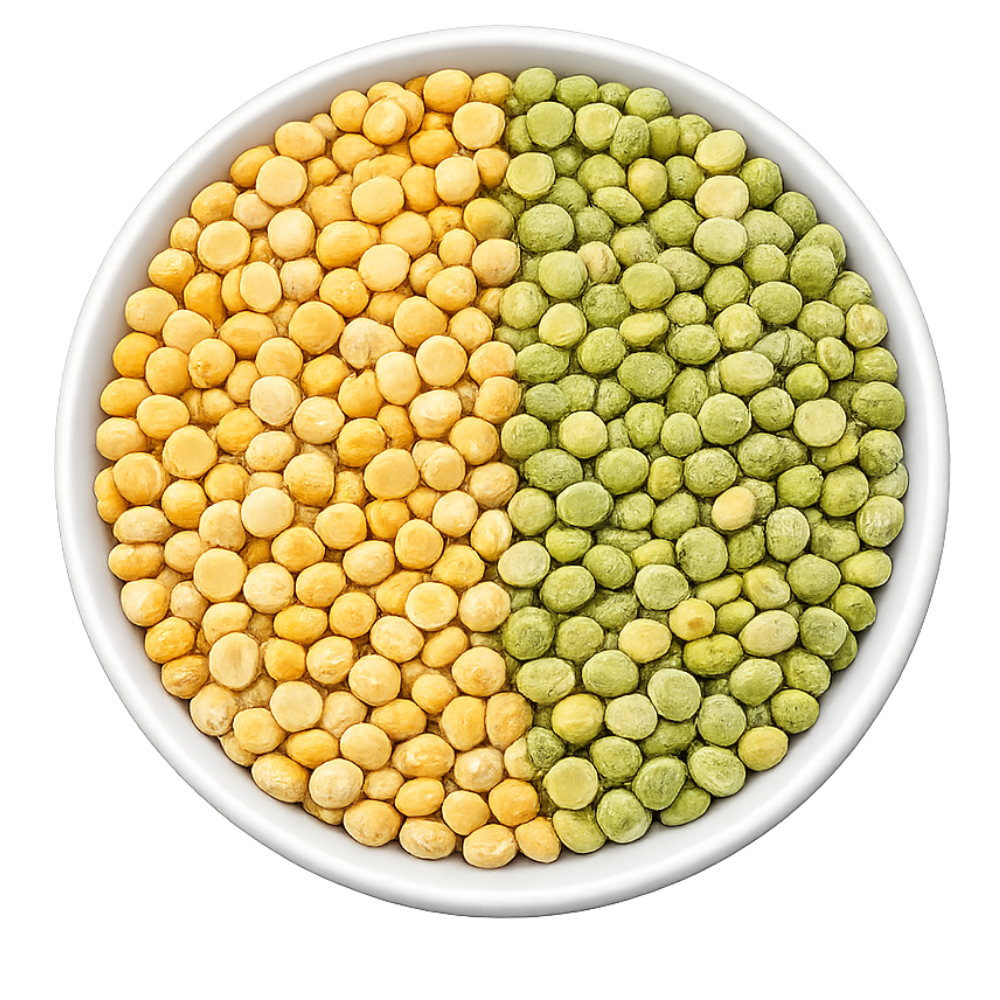
Description
DRY PEAS (YELLOW & GREEN) – Nutritious and Versatile Plant-Based Protein
DRY PEAS (YELLOW & GREEN) are widely appreciated for their rich nutritional value, long shelf life, and versatility in cooking. These legumes are harvested, naturally dried, and preserved to maintain their nutrients and flavor. They are commonly used in households around the world and are considered a staple ingredient in many traditional and modern recipes.
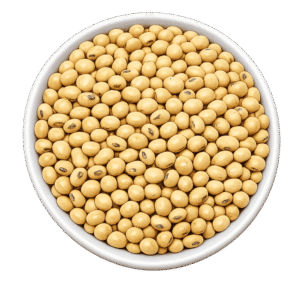
DRY PEAS (YELLOW & GREEN) are available mainly in two popular varieties: yellow and green. Both types offer similar health benefits, though they differ slightly in flavor and appearance. Yellow peas tend to have a mild, earthy taste and soft texture when cooked, while green peas have a slightly sweeter flavor profile. Their natural drying process allows them to be stored for extended periods without losing their essential nutrients.
One of the most important advantages of dry peas is their impressive protein content. They are an excellent plant-based protein source, making them ideal for vegetarian and vegan diets. Protein is essential for muscle repair, tissue growth, and overall body function. Including peas in regular meals can help maintain energy levels and support balanced nutrition.
In addition to protein, dry peas are rich in dietary fiber. Fiber supports digestive health by promoting smooth bowel movements and improving gut balance. A fiber-rich diet also contributes to better heart health and helps maintain stable blood sugar levels. This makes dry peas suitable for individuals seeking balanced and nutritious meal options.
These legumes also contain important vitamins and minerals such as iron, potassium, magnesium, and folate. Iron supports healthy blood circulation, while potassium helps regulate blood pressure. Magnesium plays a role in muscle function and energy production, and folate is essential for cell growth and development. Together, these nutrients make dry peas a valuable addition to daily diets.
In culinary applications, dry peas are extremely versatile. They are commonly used in soups, stews, curries, and purees. When soaked and cooked properly, they become soft and creamy, making them ideal for thickening dishes naturally. Split peas, a processed form of dry peas, are widely used in hearty soups and traditional recipes across various cultures.
Their mild flavor allows them to blend well with spices, herbs, and other vegetables. They can be incorporated into rice dishes, savory spreads, patties, and even plant-based protein preparations. Because of their neutral taste, they easily absorb seasonings, enhancing the overall flavor of meals.
Another benefit of dry peas is their low fat content. They provide sustained energy through complex carbohydrates without causing rapid spikes in blood sugar. This steady release of energy makes them suitable for individuals managing their diet or seeking long-lasting fullness after meals.
Storage convenience is another key advantage. Since they are dried, they do not require refrigeration and can be stored in airtight containers for long periods. This makes them a practical pantry staple for households seeking reliable and nutritious food options.
DRY PEAS (YELLOW & GREEN) also contribute to sustainable eating practices. As legumes, they naturally improve soil health by fixing nitrogen during cultivation. This makes them environmentally friendly compared to many other crops. Including legumes in daily meals supports both personal health and environmentally conscious food choices.
Regular consumption of dry peas may support heart health, digestive balance, and overall wellness due to their nutrient-dense composition. Their combination of protein, fiber, and essential minerals makes them suitable for people of all age groups.
Overall, dry peas remain a simple, affordable, and nutritious ingredient that fits easily into diverse cuisines. Their adaptability in cooking, long shelf life, and health benefits ensure they continue to be an essential part of balanced diets worldwide.